Prompts Grid
PROMPTSGRID
Published: May 25, 2026
Dominance Portrait

Dominance Portrait

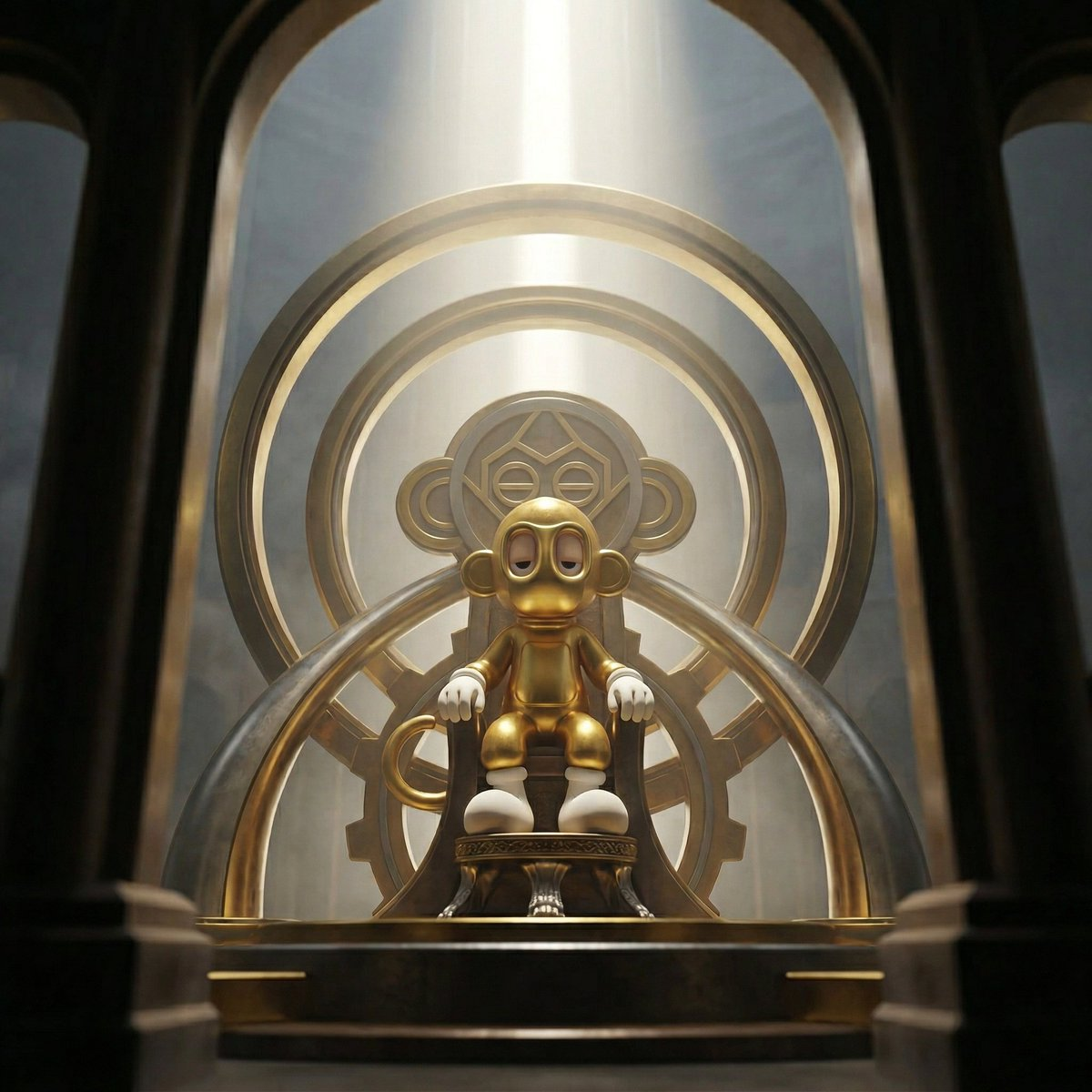
A detailed, structured prompt to create a dominance portrait of an uploaded reference character seated on a divine throne engineered from their own design language. Emphasizes strict likeness integrity, cinematic camera/lighting techniques including a wide lens, partial obstruction, and vertical divine beam.

prompt.txt
1Create a dominance portrait of the uploaded reference character seated on a divine throne that feels engineered from their own world and design language.
2
3The camera observes the ruler from a partially obstructed viewpoint, as if the viewer is looking through the monumental structure of the throne itself.
4
5Likeness Integrity (HIGHEST PRIORITY)
6
7Maintain exact:
8
9• Head-to-body proportions
10
11• Eye shape, spacing, stylization
12
13• Surface materials
14
15• Silhouette and structural design
16
17Do not humanize.
18
19Do not reinterpret anatomy.
20
21Do not add unintended accessories.
22
23Perspective exaggeration must come only from camera placement, not structural redesign.
24
25Identity always wins.
26
27Throne Adaptation System (UNIVERSAL LOGIC)
28
29The throne must feel like a structural extension of the character’s design universe and must feel divine.
30
31Rules:
32
33Extract design language from the character:
34
35Dominant material logic
36
37Geometric language
38
39Color
40
41World energy
42
43Translate, never copy.
44
45Echo shapes subtly in silhouette
46
47Reflect material family, not exact textures
48
49Use tonal harmony, not color duplication
50
51Patterns may appear in architecture, structure, or ornamentation but must remain subordinate to the character’s identity.
52
53Camera & Perspective
54
55• Camera positioned slightly below the throne platform but offset laterally
56
57• 16–20mm wide cinematic lens
58
59• The throne structure partially obstructs the frame
60
61• Large architectural element of the throne occupies the foreground edge of the frame
62
63• Character visible through the throne’s structural opening or between its elements
64
65• Horizon slightly tilted 5–8 degrees
66
67• The viewer feels as if witnessing the ruler from behind the architecture of power
68
69Foreground elements must feel massive and close to the lens, framing the character like a monumental gateway.
70
71Composition
72
73• The character sits centered within the throne structure but partially framed by its geometry
74
75• Throne architecture creates a natural visual tunnel toward the character
76
77• Foreground throne elements remain slightly out of focus
78
79• Character remains the focal authority within the frame
80
81Lighting
82
83• Singular vertical divine beam descending from above the throne
84
85• Volumetric haze revealing light shafts
86
87• Strong rim light outlining the character silhouette
88
89• Controlled specular spikes along throne edges
90
91• Foreground throne elements remain darker, creating contrast against the illuminated ruler
92
93Depth & Focus
94
95• Eyes in absolute clarity
96
97• Character face and upper torso remain sharp
98
99• Foreground throne structure slightly blurred from proximity to lens
100
101• Background dissolves into atmospheric layers
102
103The image must feel layered in depth:
104
105foreground architecture → seated ruler → atmospheric background.
106
107Background
108
109• Vast negative space above the throne
110
111• Atmospheric tension
112
113• Light beam

Explore Similar Prompts